
Ecoflow Delta 2 Max Review
The traditional way to run a fridge when off grid in a 4WD has always been to install a secondary battery. This is normally a permanent modification, and requires a way to isolate the battery, and charge it. However, as time has gone on there’s been a number of portable power stations come out, which have proven to be incredibly popular.
We got our hands on an Ecoflow Delta 2 Max at the end of 2024, and I’ve been testing it since then. This post covers what they are, what we like about it, whether we’d get one ourselves and anything else you might need to know before putting your hard earned down.
Hint – they’re a pretty impressive unit!
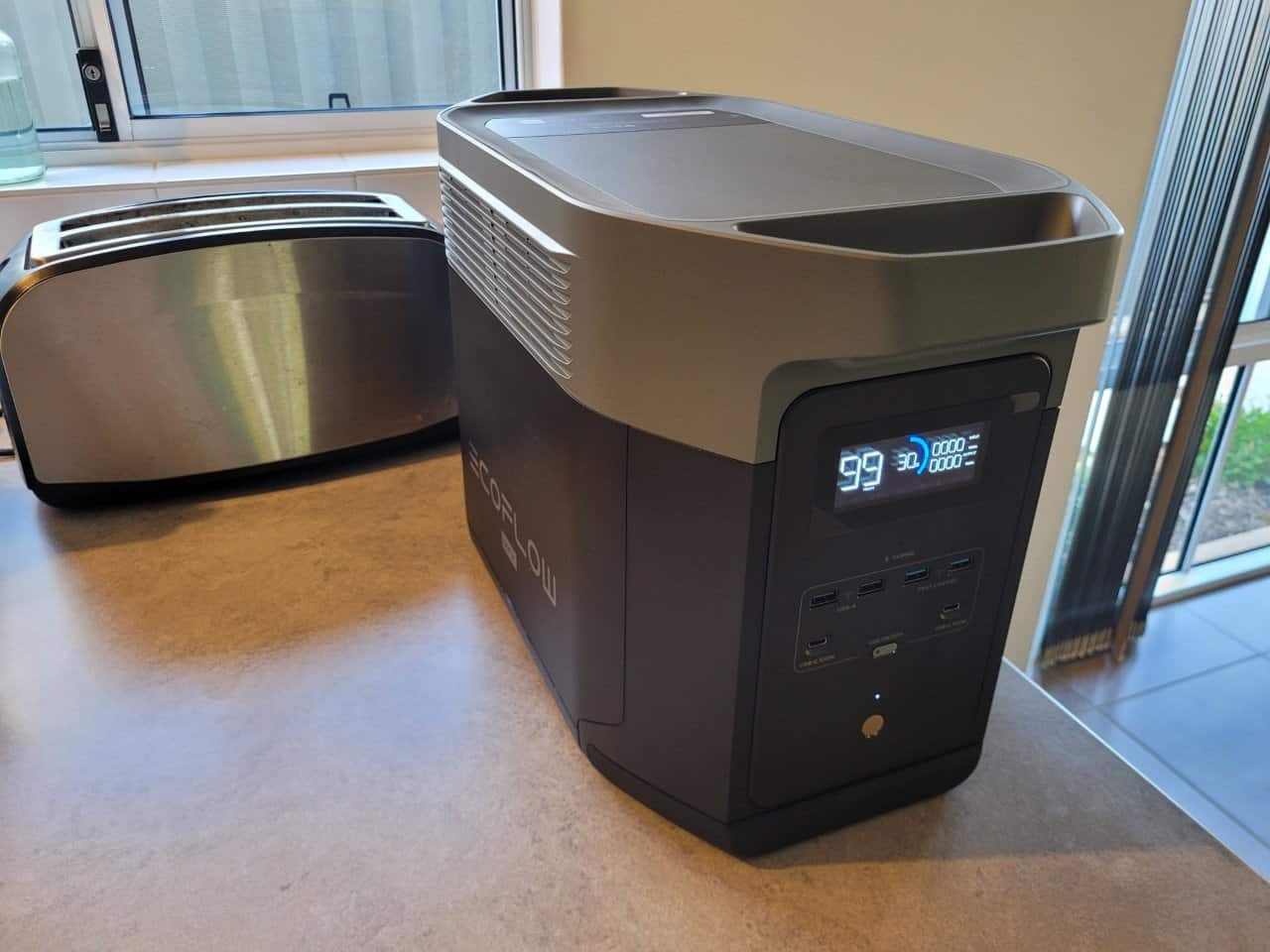
We didn’t pay for this
As usual, first up, we declare that this was a product given to us. We didn’t pay a cent, and they even threw in some extra cables afterwards to allow us to test it in different ways. The agreement was a review, but we get no benefit if you buy one, so our thoughts are completely genuine, as always.
In actual fact, its been about 8 months since we received this unit, and I’m sure Ecoflow were expecting something out sooner, but life has gotten in the way and we like to be thorough in our comments. You can see our other product reviews if you’re chasing more unbiased information.
You should also know that the links to the Ecoflow website yield us a small commission if you make a purchase.
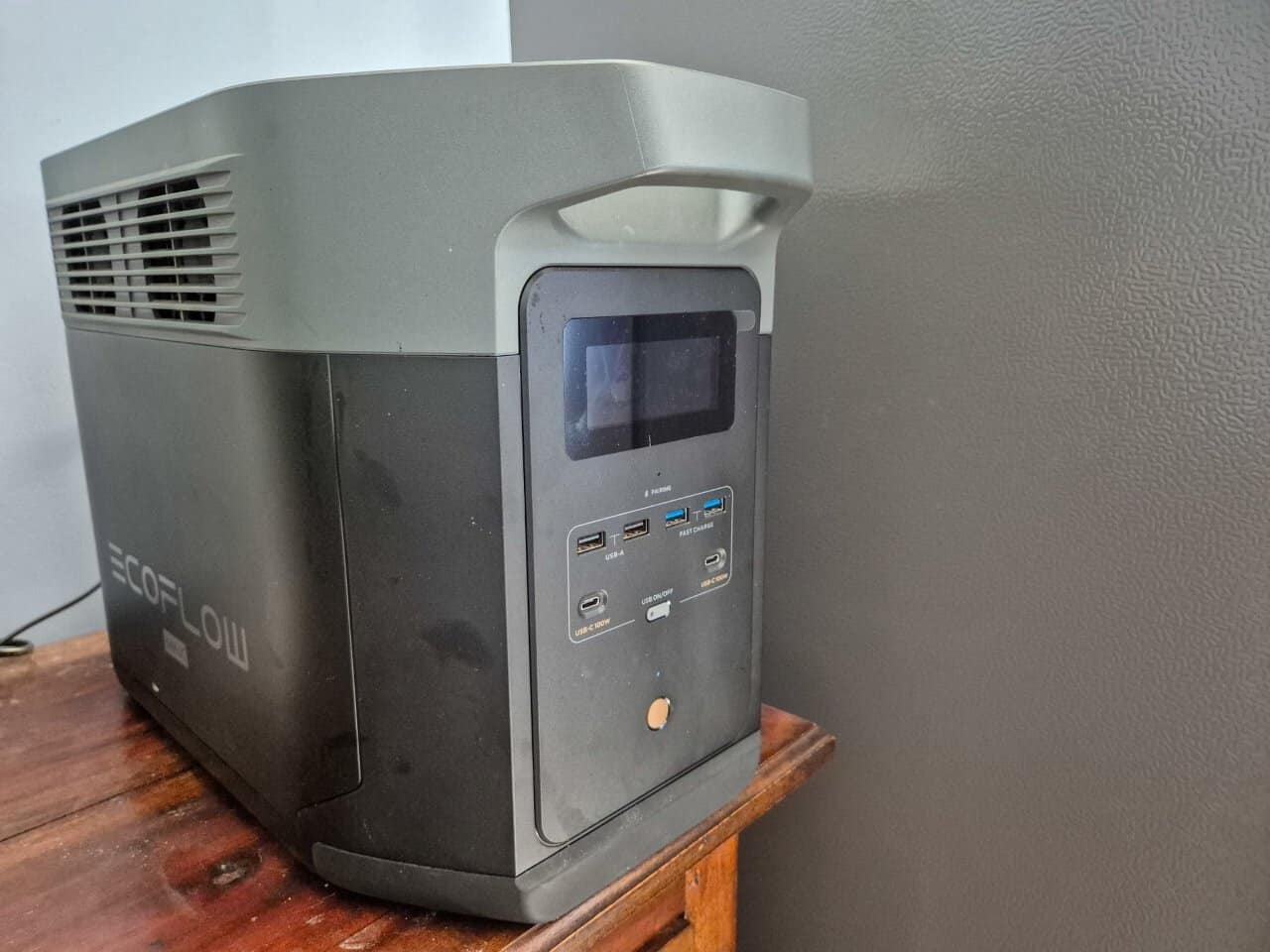
What is the Delta 2 Max ?
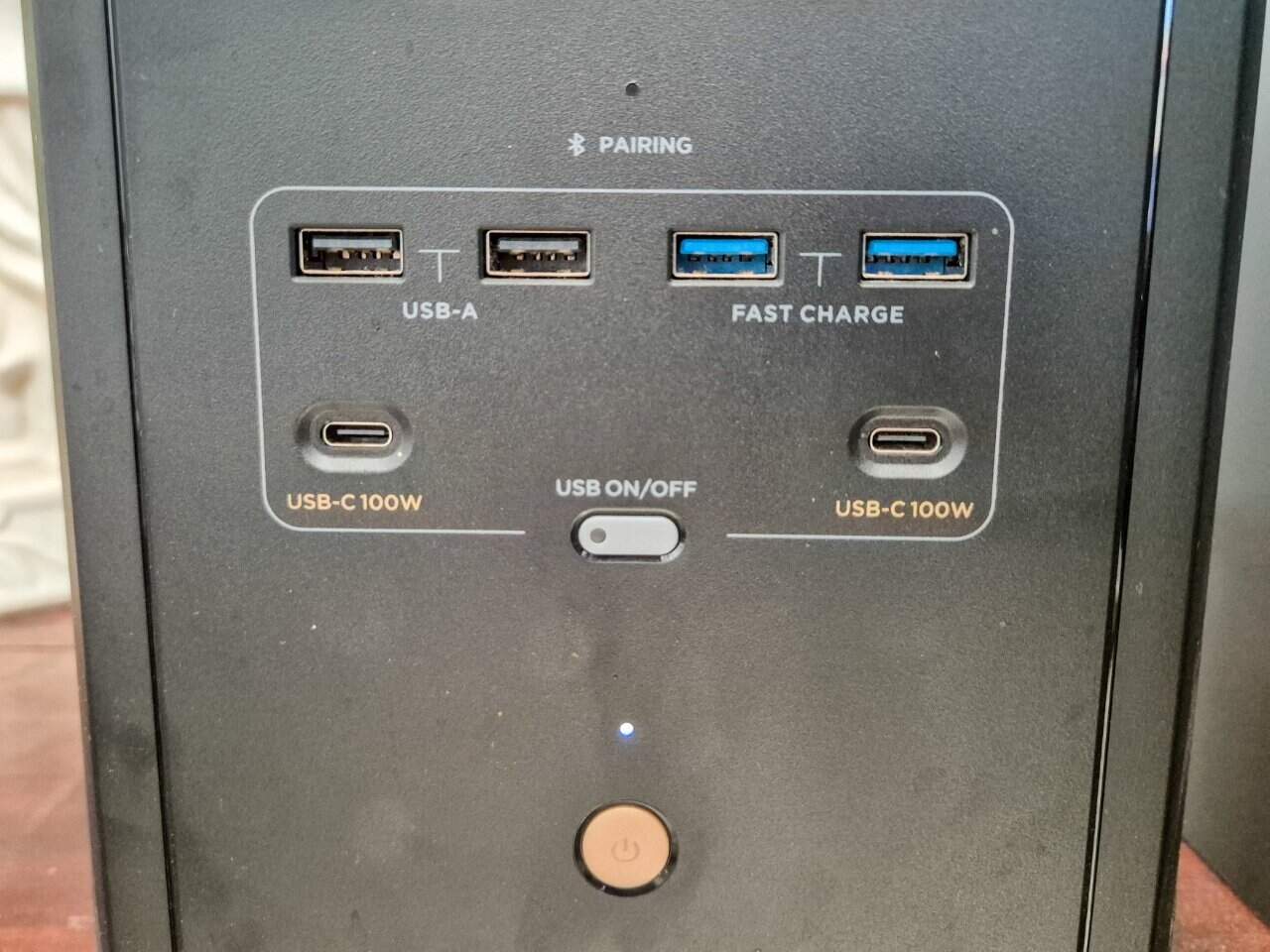
In essence, if you imagined a portable battery, with an inverter and various inlets and outlets, you’d get a pretty good picture. This particular unit runs a 2048 watt hour battery (around 160AH) and is built into a singular box, with everything you’d need. It’s got USB and cigarette lighter outlets, along with 4 x 240V outlets from an inverter that is good for 2400W
Specifications
These are roughly 160Ah in 12V, have a heap of inputs and outputs and can charge and discharge at incredible rates.
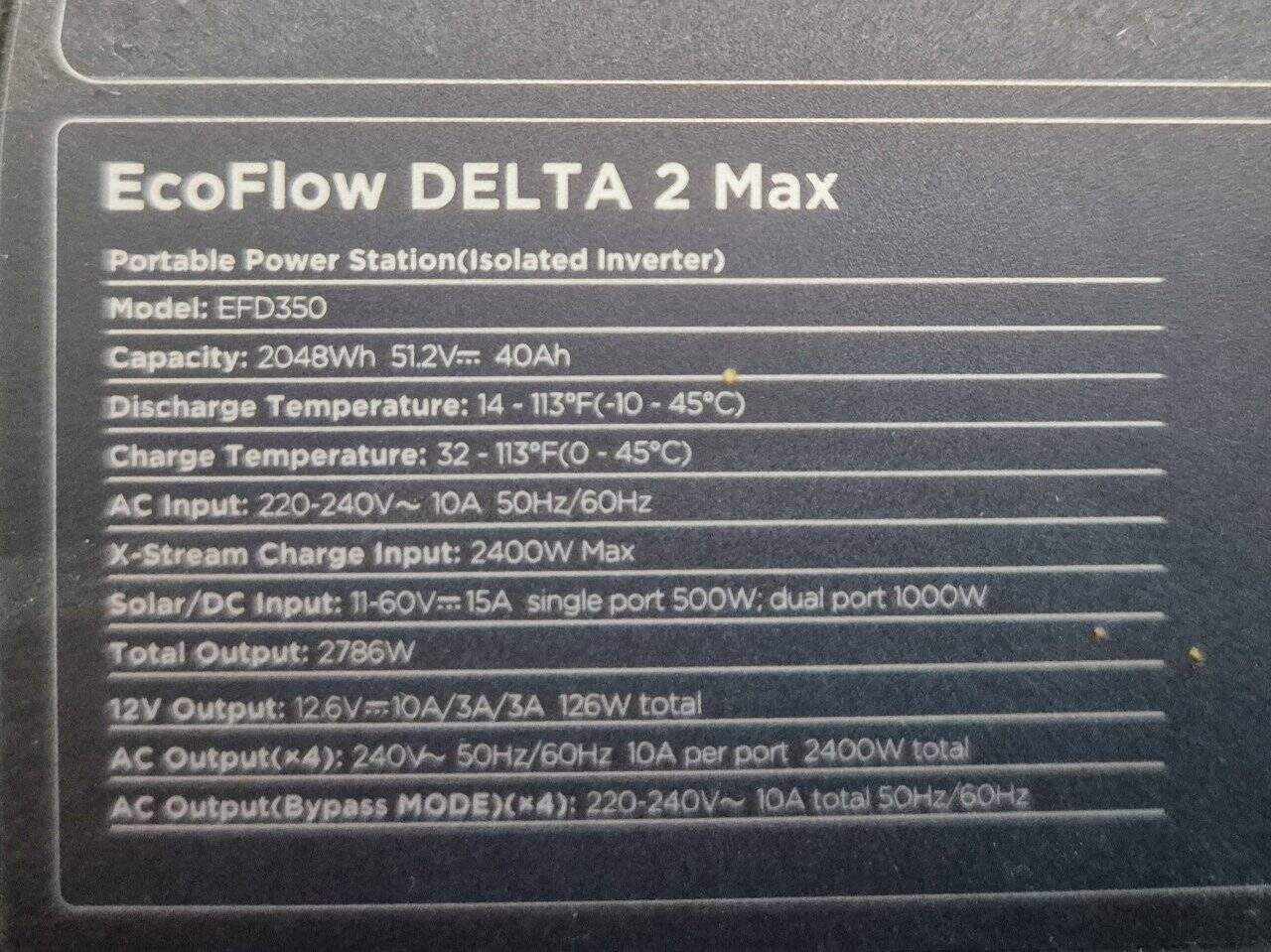
In terms of actual capacity, you can run an average kettle at home for around an hour, non stop. Alternatively, you could run an average camping fridge for 40 hours non stop (more likely 3 – 4 days with 50% cycle time) before you had to recharge it.
What have we used it for?
Initially, I just played with the unit like a new toy, to run anything I could find off it. I used it to run our dishwasher, washing machine, charge batteries in the shed, run our secondary freezer and lots of other little appliances.
I used our portable solar panels to charge it back up again, and then started thinking about using it as a mini off grid system, which is exactly what they’re good at. It would discharge about 50% running our freezer overnight, which was perfect.
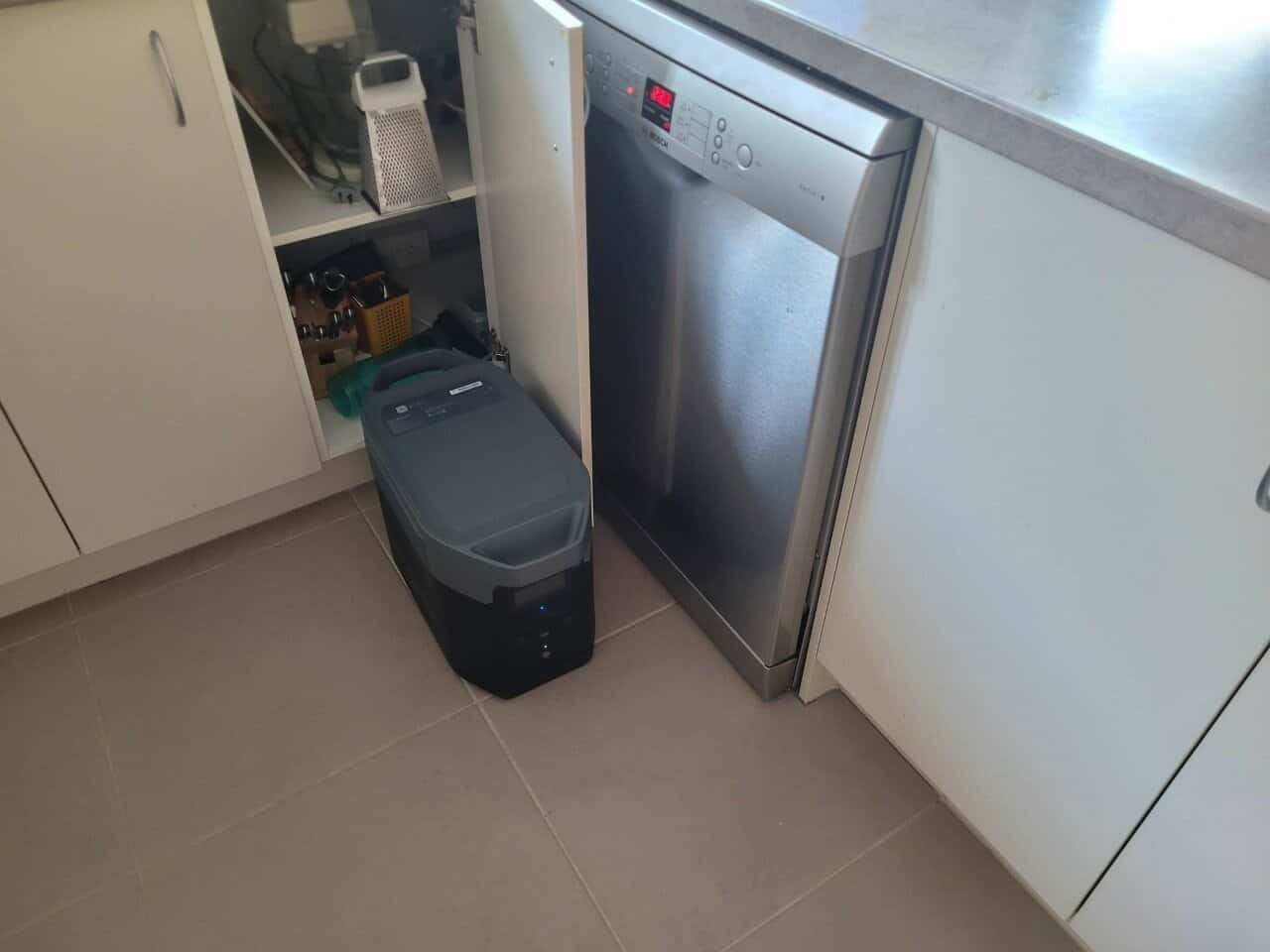
Eventually, I realised that we could use the battery power overnight, and then charge it back up during the day from our solar on the house roof (through mains power), and you’d pay no electricity costs. I picked up a Tapo WiFi smart plug (4 of them for $59), which you can schedule to come on and off at any time.
Once we moved house, I purchased a third freezer, to store bulk meat and lunches in, and I set the system up as it is today (about 5 months on now). The freezer runs off the Ecoflow Delta 2 all the time, and then its charged by mains power between 8AM and 5PM, at the 300W rate that I’ve set it to.
The battery rarely goes below 45% state of charge, and effectively it costs us nothing to run our third freezer, except the wear and tear on it and the Ecoflow.
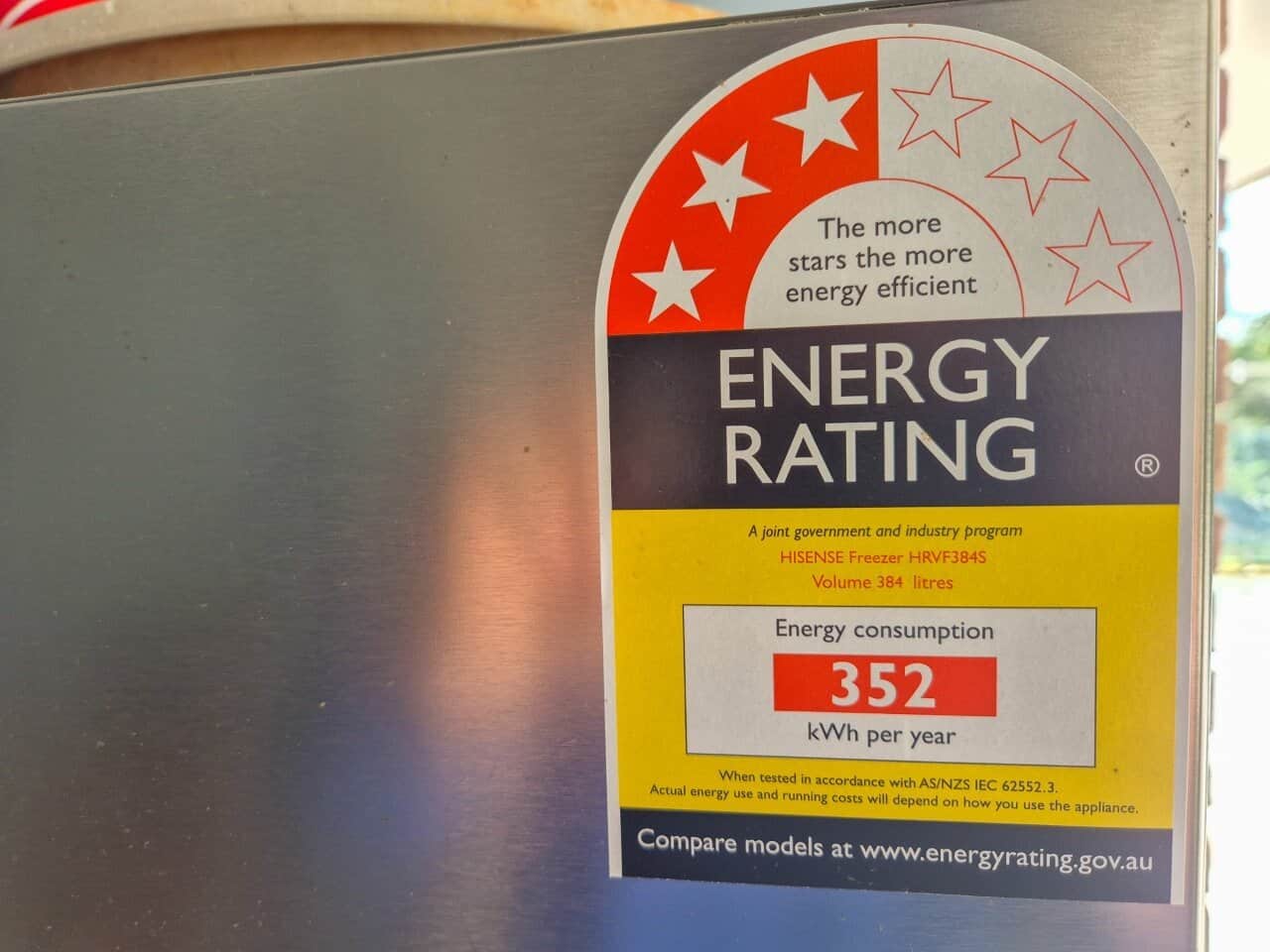
Now, I’m going to point out early on that its not economical to buy one of these purely to run a freezer, like what we’ve done. It would take about 18 years in WA to save the cost of the Ecoflow Delta 2 Max in energy consumption, but if you already had one (or something similar), it might be worth a thought.
Either way, it all forms part of our testing and it has worked flawlessly for many months now. I literally check the percentage its sitting at occasionally, and that’s it.
What do we like about it?
I’m often a bit sceptical about new products, and initially felt like this sort of product wasn’t necessary, but the more I’ve played with it, the more I can see there really is a niche that it suits. The fact that you can have portable power for any of your appliances anywhere without a permanent installation is really clever.
If you had a small off grid home, it would work. If you wanted power when camping with zero other setup, you’ve got it.
In short, its convenient. Throw it in the back of your 4WD and take off for the weekend, and you have 240V power, USB outlets, cigarette outlets and the ability to plug a solar panel in super easily, with zero other gear. I like the app, the 240V charge and discharge rates, its display, ergonomics and that its all in one. They’ve really done a good job, and so far, zero complaints about reliability either.
I love the fact that you can run virtually any solar panel into these too – they’ll take 11 – 60V, which means you can run a house panel straight into it, with no changes needed (except the cable; more on that below). You can also run a normal camping solar panel too.
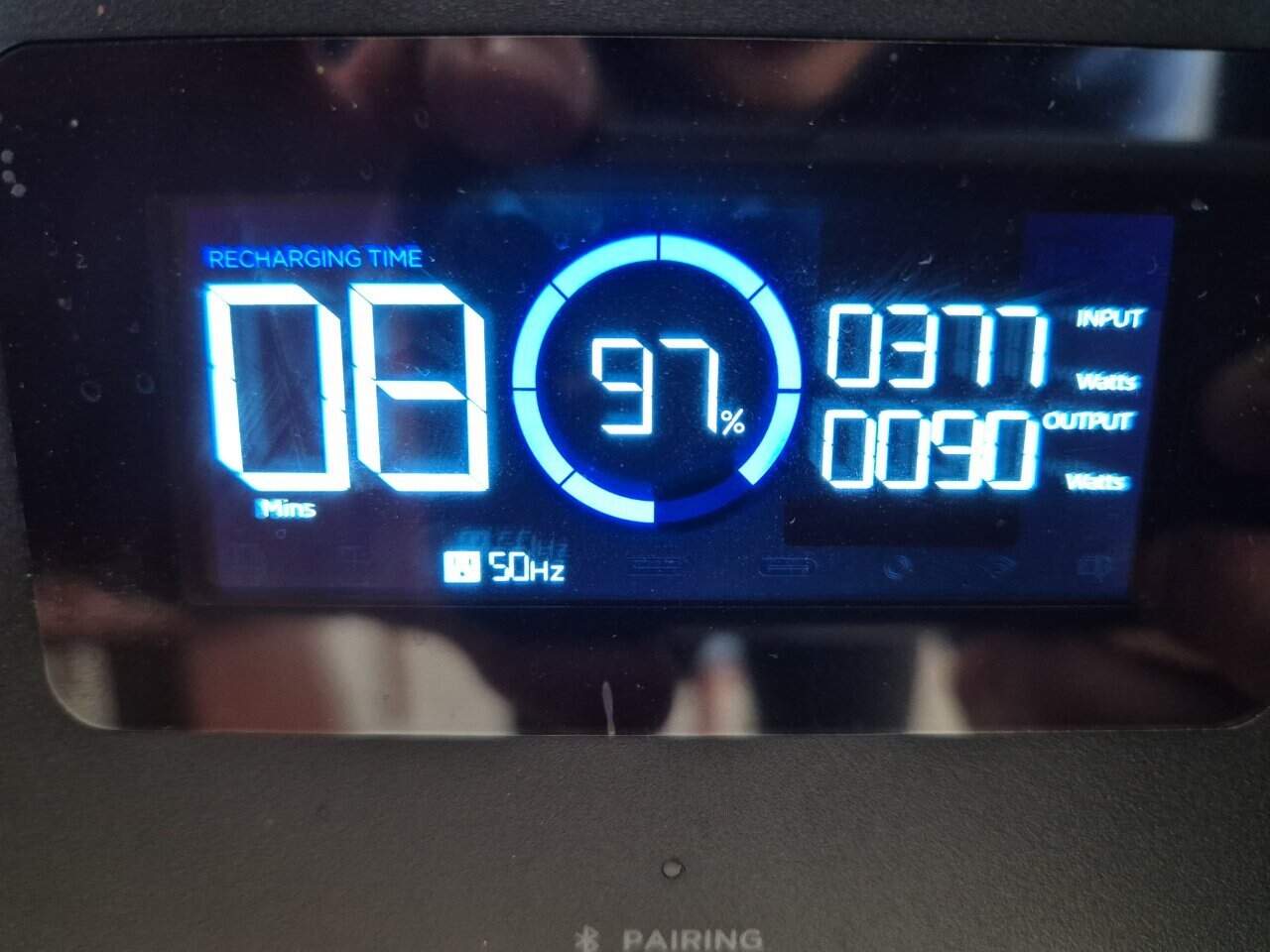
The app is brilliant, easy to use and has lots of variables that you can change. I especially like the fact that you can control how quickly it charges back up off 240V, as ramming power in at maximum rates is never a good idea for longevity. Our unit sits at 300W input, which is enough to recharge it each day over the 7 – 8 hours of sunlight, and looks after the battery as best as possible.
What do we not like about it?
I do have a couple of gripes about the Ecoflow Delta 2 Max. They’re not major problems, but I did find them frustrating early on, and they’re not really resolvable with this model either.
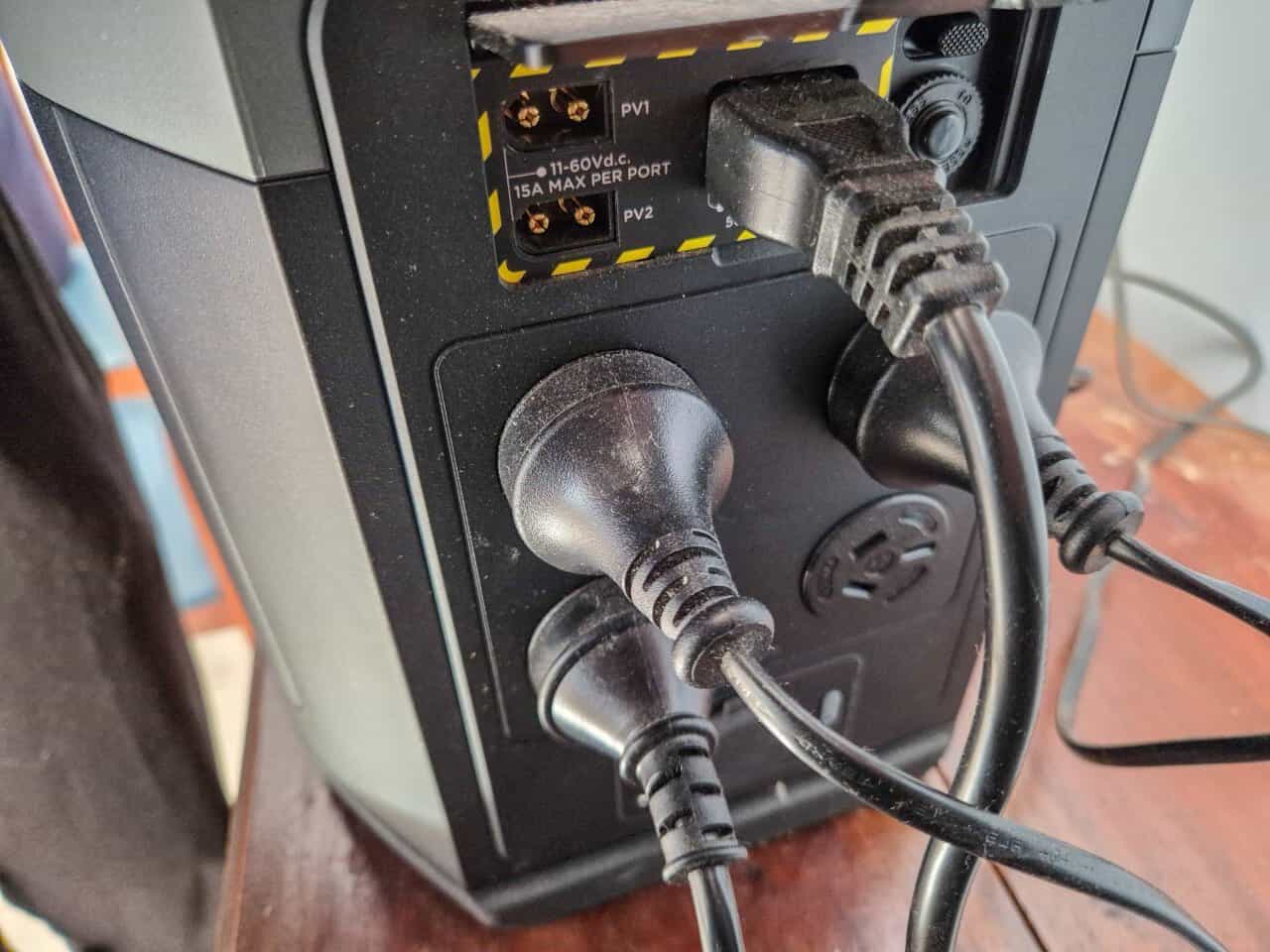
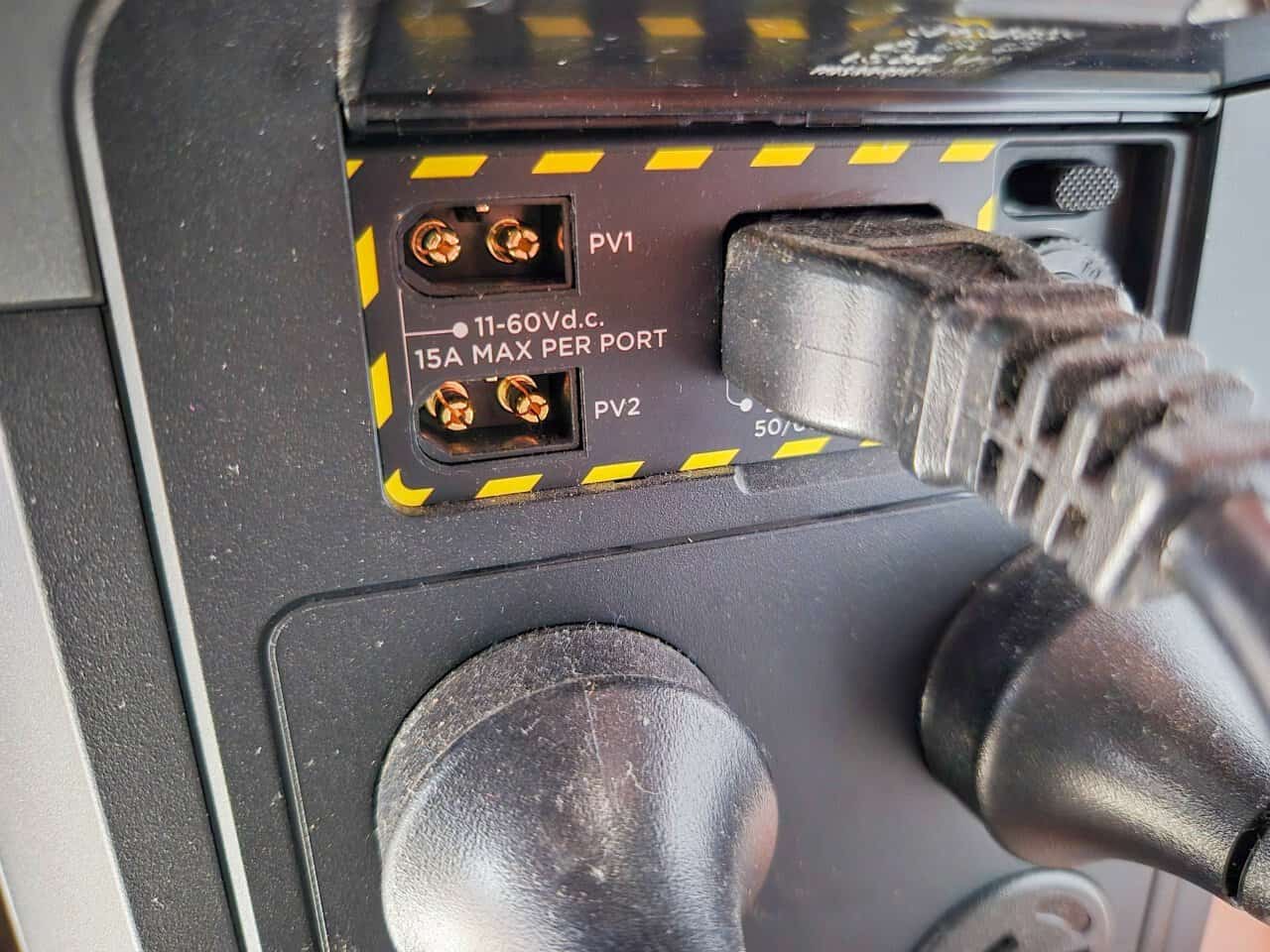
The battery cells and BMS have been well designed and built, and will take a huge 2400W of input to charge them back up, off 240V. That’s the same as charging an electric vehicle from a granny charger, or the equivalent of nearly 200A going into the battery. Given they’re only 160Ah from the get go, that’s impressive. You’d think then, that you’d be able to feed power in on DC, or 12V at a similar rate too, yes? Actually, no, you can’t, and its not a battery issue, its a cabling and hardware problem.
In Australia, most 4WD and camper owners will be familiar with Anderson plugs, which you can feed a lot of power through. I was quite surprised to see the Ecoflow arrive without the ability to plug Andersons in, and even your normal MC4 connectors for solar panels. You’re stuck with two XT60i outlets for the 12V side, which I’d never heard of before, and that are limited to just 15A, which is miniscule.
This is a problem when you are camping, as it takes a very long time to recharge a 160Ah battery off a small DC charge. Our Renogy 400W solar panel too for example, is too large to use on a single input, which means you’ll need a double adapter to make use of the second one.
You also can’t take power out quickly on the DC side, so if you wanted to use the Ecoflow to charge another battery up, you’d have to do it via a 240V battery charger, which I don’t carry.
For anyone in Australia, you’ll have to buy the XT60i to Anderson plug adapters, or to MC4, as your normal connectors will not plug into the Ecoflow Delta 2 Max. I’m not sure if the XT60i’s are common internationally, but they’re certainly not in Australia.
I just wish you could take, and replenish the power substantially faster on DC. It’s a real shame, because the only limitation is the connectors!
What do they cost?
These sell for around $2100, but you can get them for cheaper on their regular sales (like now – $1699, plus a further 6% off with the coupon code below). If you added up all of the components inside an Ecoflow Delta 2 Max you could probably build something similar for less, but it wouldn’t be an all in 1, portable solution, and that’s where they’ve done very well.
If you’re chasing an even better price, there’s a coupon code you can use – EFAUAFF6.
Are they a replacement for a dual battery?
In so many ways, absolutely. If you’re talking about replacing an under bonnet system too, you’ll get far more capacity with the Ecoflow Delta. 160Ah is more than enough for most campers, providing you’re not going all out with coffee machines, portable induction cooktops and anything else that needs a much larger system.
You’d want to ensure they are kept in a dust free, dry environment and are well tied down, but there’s no reason why it wouldn’t do an exceptional job replacing a dual battery.
What about an alternative to a generator?
I’ve seen these types of units sold as solar generators, battery generators or direct replacements for generators. Whilst it will do what a lot of generators will do in the moment (and more, with all of its nice outlets), it has a relatively small battery capacity, and if you are running any large appliances for a long time, its not even remotely suitable.
For example, if you wanted to run the air conditioner on your caravan, you might get 1 – 4 hours of use before the battery is flat (depending on the aircon). Compare that to a generator that will hum along all night on petrol without you doing a thing, and you realise that they are meant for different applications.
To have enough battery power to run high powered appliances for a long period of time means a lot more weight, and cost.
Who do they suit?
If you don’t want a permanent battery system, these are unbelievable. Keep it as a UPS for your computer, or as a backup if you lose power. Use it in the back of your 4WD as a dual battery, or to run an off grid house.
Our new 2005 Cub Camper has no battery system, and no internal lights, and we can literally take this from the house, drop it in for a time away, and then pull it out when we’re done. There’s no installation requirements, and whilst they’re not light, its not a major issue to take it from one application to another.
Parting thoughts
I was somewhat sceptical of this unit when it was on its way, but I’m super impressed, and can completely understand why people would get one of these over a traditional dual battery system. I wish the DC input and output side was better, but have no doubt that in years to come these products will only get better and better, and that’s exciting.
Overall, I rate these, and if it works for your situation, I wouldn’t hesitate to get one.


All good mate – I know what you meant!
Hey Jon,
It’s sort of a hardware issue. If you were willing to pull it apart it would certainly be doable – the BMS and cells are certainly capable of faster DC charging. If you don’t pull it apart though, you’re pretty limited, without an inverter charging it
All the best
Aaron
Sorry, DC not DV!
Hi, great article/review, thanks.
Any further solution to the DV charging / use plug issue? Or is it inbuilt and can’t be solved? Thanks